
I think it’s obvious that I enjoy writing and that I especially enjoy writing hockey romance, but I don’t want to claim I’m an expert. I’ve written several books in the genre (both stand alone and in a series), and with the huge spotlight cast on sports romance as a whole and hockey romance specifically, I thought I’d share my process for anyone wanting to dip their feet into the genre.
And if you’re a reader of the genre, here’s a glimpse into how I go about structuring a new book 🙂
I do think you should know a bit about hockey in general before writing in the genre. Watching hockey games, or even just reels and Youtube videos, are a great starting point. There are also plenty of resources out there for learning about the sport. If you don’t know all the nuances, that’s fine. You can always check as you go, or you can leave things vague. So keep in mind my suggestions are built around an author who already knows a bit about hockey.
Character Development
When I’m starting a new romance, I try to hammer down some general details about a character before I get started. I don’t need to know everything about them – generally, I find I discover who they are as I go, figuring it out as I write them – but I go in with some basics.
To start, I need to know…
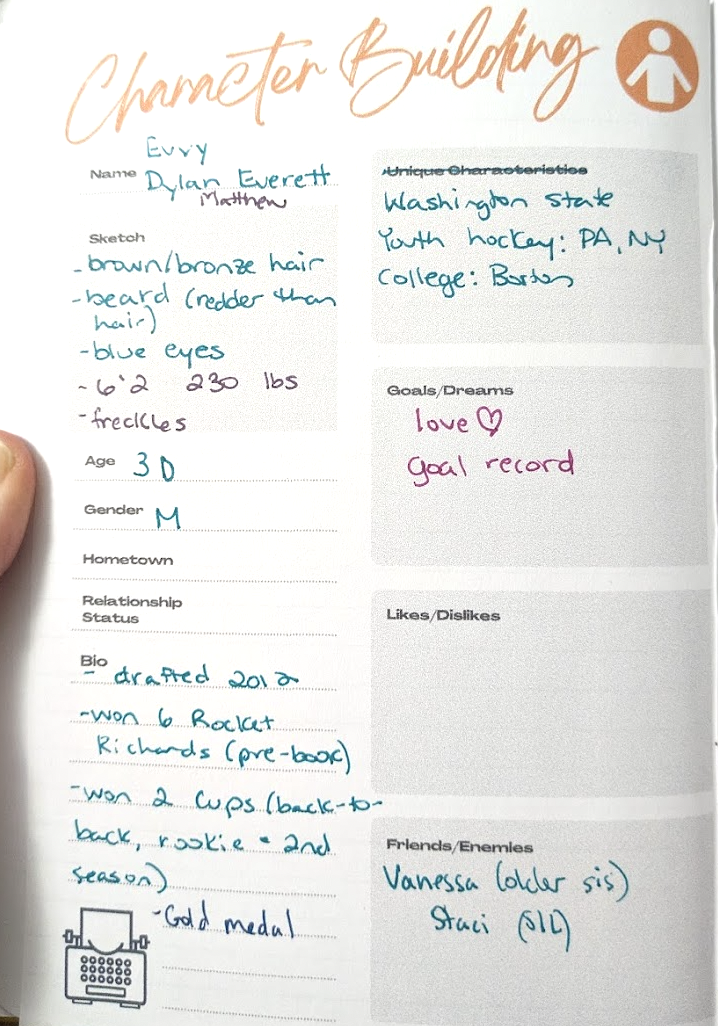
- their names (first and last name, plus hockey nickname)
- their position (center, wing, defense, goalie)
- their team and brief career notes (who drafted them, how many years have they been playing, how many teams, have they won the Cup, Gold medal, etc)
- general appearance (hair color, eye color, height & build)
- their jersey number (only if relevant to them as a person, like Lars being 14 because his brother is 7, or Dylan being 12 because he was drafted in 2012, etc)
- family (also not a big deal, but it can be relevant early – oldest vs youngest vs middle child, only child, parents, do they have family who played in the NHL)
Some of this is flexible. Their career might take better shape based on narrative demands, or maybe you learn more about family/friends as you go. But this is my kind of “minimum” starting point. These are things that I know come up when I’m writing, so I like to have it ready to go before I even start.
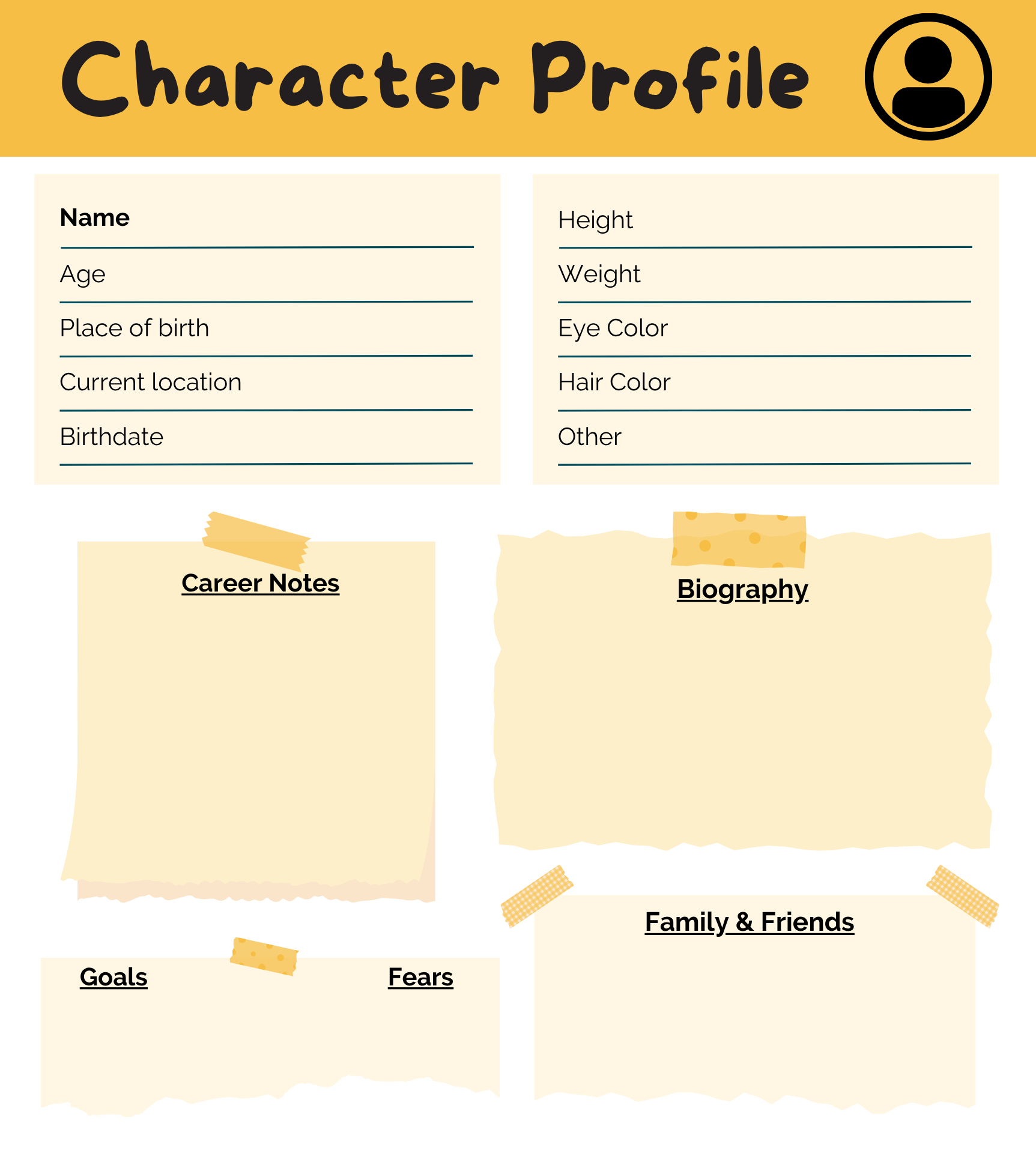
I’m a big fan of character sheets. I received a pad of these ones years ago that I use, but it’s not super useful for my very specific genre needs, so I made my own 🙂
Hockey Details
There are some background details you’ll need to know about your hockey world before you jump in. If I’m writing an NHL level story, I don’t use the existing NHL teams (I’ll mention them in a beer league romance, since the characters aren’t part of those teams). So if like me you’re building a league from scratch, you’ll need to consider what you’re keeping and what you’re tossing. I know some people keep a lot, and some people make big changes like having women play in the NHL. It’s your book, your world, so you can make those decisions – but try to have an idea beforehand!
Read also: “The NHL in Hockey Romance“
My essential hockey details include:
- Team (team name, city they play in, team colors, mascot, conference, division)
- Roster
- Optional: Team History (when did they last win the cup, are they a young franchise, do they have any big rivals, fanbase details, etc)
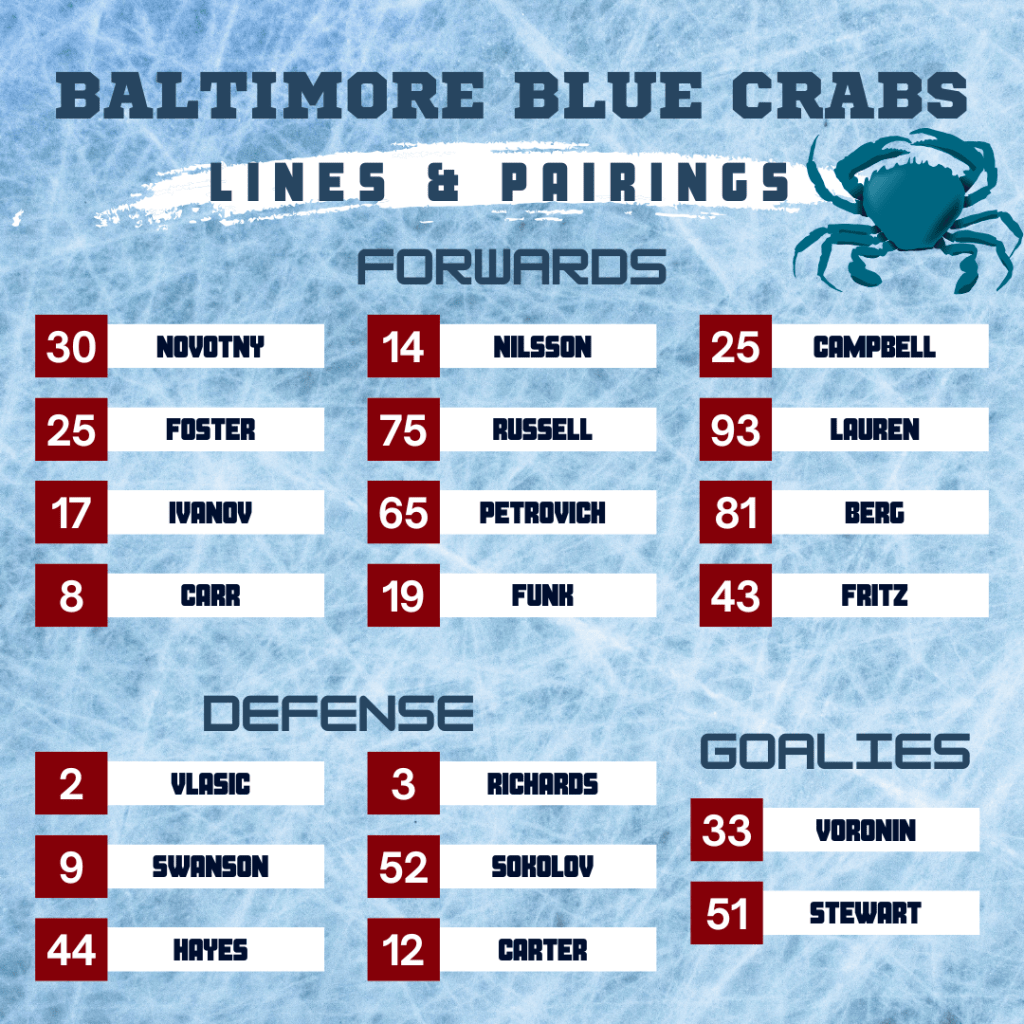
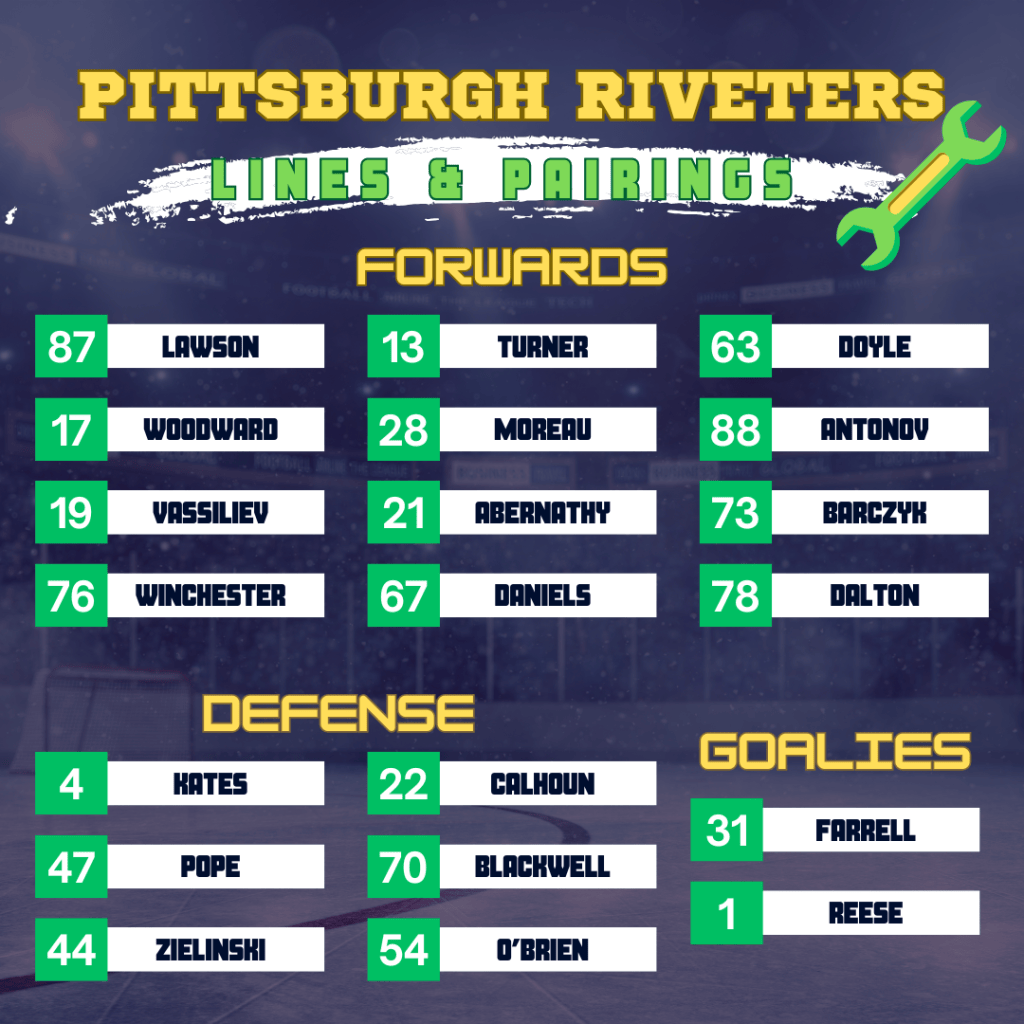
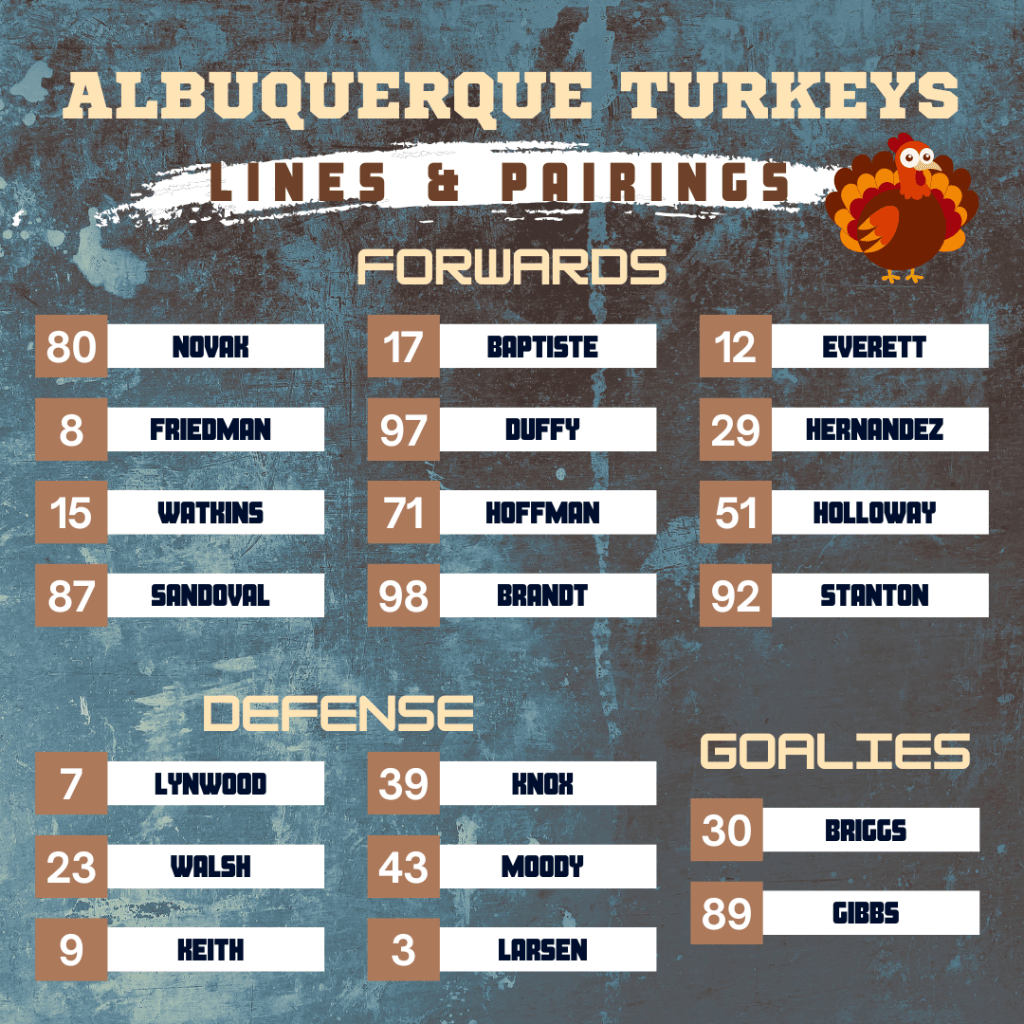
It might sound crazy to have a whole roster before you start, and that might be completely unnecessary, but it’s something I find super useful. I can sprinkle in names as I go (instead of just doing [defenseman] or [goalie] and figuring it out later… though I still do plenty of that). It also makes it easier to build that those background characters who are in the locker room, on the ice, and traveling with your main characters.
Who are your forwards, your defense, your goalies, your captain and alternate captains? Who’s the main coach? A lot of this might not come up, but it’s a) useful to have and b) an be used in promo material. I have a whole list of last names I plan to use as background teammates, and I just cross them out as I use them. I also pick numbers for them because why not. I probably overdo it, but it helps me personally. You could probably start with just a handful of names that you’ll slot in as you go.
Here are the rosters I created for my three teams before I even started writing:
Timeline & Story Arc
These are three interconnecting pieces of the story as you start plotting things out and outlining.
Your story will have a romance arc. Figure that out first. Is it a second chance romance? Love at first sight? A rebound situation? Friends with benefits? Figure out how your characters are being brought together and what will keep them together. Plot this out however you would for any type of romance. This is where you’ll get to know your characters a little better.
You might also have a hockey arc. This could be a team thing (they haven’t made the playoffs in ten years, they’re rebuilding, they are defending Stanley Cup champions, etc) OR it could be an individual character thing. I know I have characters who had something to prove or wanted to achieve (Ryan and Henri come to mind), and so they had this additional journey going on while the romance was happening. Some of my characters are just there to play hockey (Riley, for example), so there wasn’t much of a hockey-related arc for him specifically. This will dictate not only the plot, but also influence the romance arc.
That leads us into the timeline: how long will it take for a) these dumbies to fall in love and b) resolve their hockey arc? Do you need a full season to get them through their full emotional story arc and character development? Do you need less (or more) time?
Parts of a hockey season include:
- Pre-season (before they officially start their regular games, there’s training, workouts, practices, and then actual pre-season games against other teams <– a lot of this will be more important to rookies or characters with something to prove; note that “real” team practices will probably start August, but rookies and prospects might have development camps with the team in July)
- Regular season (the NHL season is currently early October to mid-ish April, 82 games – though it’s shifting to 84 next season – with a holiday break at the end of December, an All-Star or Olympic break in February, and the trade deadline in March)
- Playoffs (start in April and can run into mid-ish June depending on how long each series lasts)
- Off-season (whenever a team is out of the playoffs, their off-season starts – bring on the golf!)
As a general starting point, I would say aim for a full season of hockey. Start some time in the summer or during the pre-season, go through that team’s regular season and playoff run (if applicable), with your epilogue aimed at the off-season. Again, that’s just a starting point – it can be as flexible as you need it to be. It’s the structure I assume I’m going to use when I start planning a new book, though often it changes.
The Trade Deadline is basically a full calendar year, starting in one off-season and ending in the next – the hockey arc demanded it. Drop the Gloves was intended to be a full season…and they resolved their shit by end of December, and their hockey arcs had no playoff demands so they were just done early. No Line Change similarly had some hockey arc things that require going through playoffs, but instead of being just one season, I had to start the book several years before the main story to give background info on the team and one of the MMCs.
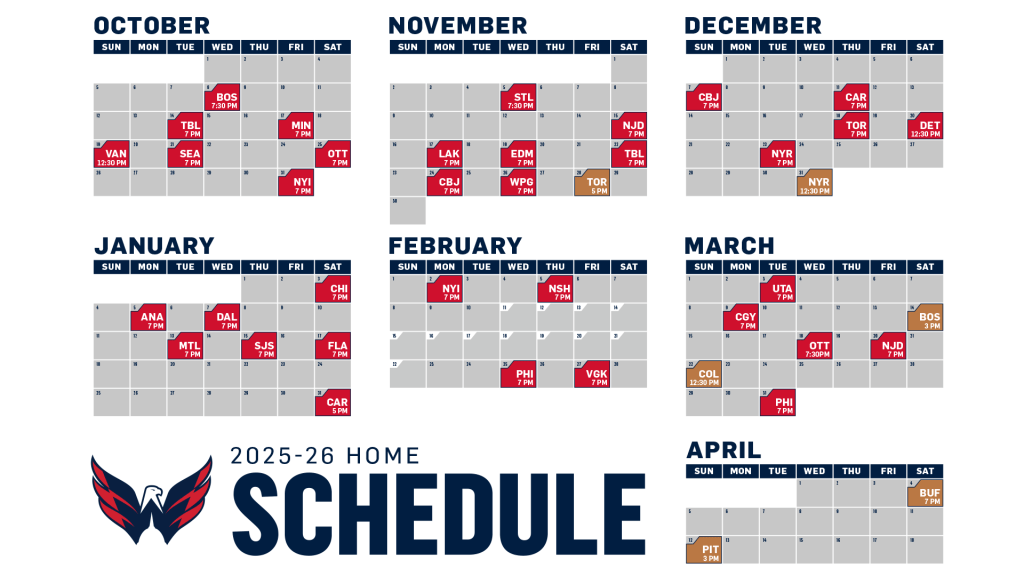
A big tip I have for plotting out a full season worth of games: pick any NHL team, and grab a copy of their schedule for a season. You can find digital ones that list everything, and use that as a reference for a) how often they’re playing, b) how often they travel, c) when their breaks might be. Bonus if the team plays in the same general area as your made-up team, because they would experience similar travel constraints (example: many East Coast teams have a California road trip where they hit the three CA teams back-to-back).
Hockey Balance
You should figure out what balance you want to strike between the hockey and non-hockey parts of your book. I personally am on the hockey-heavy side, because I really like hockey lol. I do this with hockey talk and gameplay. I don’t want them to go too long without having a game or practice, because that on-ice component helps give it the right flavor imho. I also have them *talk* about hockey and how the season’s going, how the players are doing, etc because that’s their job! It’s a very demanding job that’s a big part of their lives.
If I’m choosing to read a romance sub-genre, whether it’s hockey romance or fantasy or historical, I’m choosing that sub-genre because I want that sub-genre represented in the book. I have stopped reading hockey romance books that didn’t have enough hockey (it was really just one book – there was ZERO hockey in the book, the guy was a hockey player but he could’ve had literally any job, the author just wanted “tall and athletic” as the MMC).
This is something that you can tweak as you go – you might have an idea to start, but realize you need to make changes. Having your timeline and hockey arc figured out will help you better pin down your hockey balance. If your team needs to win the Cup, they’re probably going to need more on page hockey than a team that isn’t going to end up in the playoffs at all.
You can check out my previous posts “Writing Realistic Hockey” and “How much Sports in Sports Romance.”
Prologues & Epilogues
I’m not going to go much into this here. I recently talked about prologues and epilogues in more details, so this is really just how I see them slotting into hockey romance specifically?
Do you need a prologue? Probably not. I included one in The Trade Deadline to set things up (an event that takes place 7 years before the main story), but could’ve similarly done one in Drop the Gloves for an event that took place the season prior but chose not to. There are definitely stories that would benefit from having that set up in prologue form, but imho most of the time it isn’t necessary.
Do you need an epilogue? Need one? Probably not, but I encourage it in romance. I think it goes a long way in distinguishing between a Happily Ever After and a Happy For Now ending. It helps ease out of the book versus a hard stop, and it’s a nice little treat as a reader to get a glimpse into their future. Especially if you have a big romance arc AND hockey arc, that jump forward can be really satisfying to see payoff from both aspects.
Also read: “Prologues and Epilogues – What’s the Point?“
Standalone or Series?
This isn’t a question you have to know the answer to when you start. When I wrote The Trade Deadline, I had zero plans for another book…BUT I knew it was a possibility. So I had no future characters or plot lines in mind, but I wanted to keep things open. I designed the full league, not just so I could grab team names for TTD but so I could jump to another team in a later book. I kept notes to make sure I was creating a world big enough for more stories.
If possible, if you’re sure you’re doing a series, the only other advise I’d give would be to have future protagonists names ready to go. Riley and Evan didn’t exist yet, so I had no way to include even a reference to them in TTD (side note: I’m doing a re-release of TTD so I did another round of editing, which did include adding in some nods to other characters just to make the series feel more cohesive). By the time I got to Drop the Gloves, I was able to include backwards nods to Ryan and Lars, but also a forward nod to Henri and Dylan.
An easy way to do this is to jump from players on the same team – so make sure you like your roster!
But the nice thing about doing an interconnected series of romances is they really can be standalone. Lars and Ryan can exist in their own world in The Trade Deadline, and I could just use the Blue Crabs or the Ohio Otters as background teams while I focus on something completely different in another book. The characters don’t have to interact with the other book characters on page…but it’s a fun little cameo that readers will enjoy 🙂
Author Notebooks
When I started The Trade Deadline, I wasn’t sure if it would be a series or not. At the time, I had no other characters or storylines, but I left the door open for it. I often use notebooks to help jot out ideas or characters, and I put all this effort into the team roster, the league, character bios, the playoffs, that I started a notebook specifically for hockey stuff. I’ve also written hockey stories that are completely disconnected from The Trade Deadline, and I still keep that info in the notebook because it’s just the hockey notebook.
The notebook has definitely gotten thicker as I’ve gone lol. I have a section in the back that’s for my whole league (plus editing/spelling notes that are universal to all hockey stories), then in the front of the notebook, I keep a section for each story. I want to keep a) in-book consistency but also b) larger world consistency. This was really a consideration when I wrote “No Line Change” earlier this year since it takes place at the same time as “The Trade Deadline” – I needed to make sure the new book didn’t contradict something I’d said or done in the earlier book.
I flip back and forth between pages all the time. I also print out things like Instagram promos I did for the books, because it gives me ideas for future promos I could do for other books. Mascot stickers, character art/stickers, other random hockey stickers and pictures I find that inspire me – they all go in the notebook 🙂
Misc. Considerations
Here are some extra things I personally think about when I set out for a new romance, and they’re very much a story-by-story thing.
POV: Are you going to alternate POVs or just follow one character? Generally, romance seems to favor dual POVs that alternate chapter by chapter, but there are definitely single POVs or ones that mainly follow one character but will dip into others (including friends, not just the other love interest!). I do think you should settle on a game plan for this one before you start writing.
Social Media: As a hockey fan, there is so much social media and interviews and blog posts involved in following a sport/team. This can be a fun thing to incorporate, either in the book itself or as part of your promo material. I don’t think this is a decision you need to make before writing, unless it’s a major plot or structural device.
Third Act Conflict: This is basically a subset of the romance arc, but you need to figure out what your third act conflict is so you can build to it and know how it’ll be resolved. If they’re breaking up, make sure you’ve built in a way for them to get through that separation.
Tropes: You don’t need to know this ahead of time, but if there are some tropes you really love or want to incorporate, thinking about them from the beginning can help guide your drafting process.
If there’s anything I missed or questions you have about plotting out a hockey romance, let me know!
 A.L. Heard
Leave a comment