From Fjords to Thrones: The Real Geography Behind Hjorrfold
Today I’m diving into the world of Hjorrfold, the kingdom where my upcoming book Tessa of Hundrfeld takes place, and talking about the real life and literary inspirations I drew on.
Most of my writing career (eep that’s a weird word to throw in there…), I’ve written about the real world. My hockey romances might use fictional NHL teams, but they’re in real world cities and I’ll sometimes pull in actual locations in those cities. The same is true for the historical fiction I’ve written, typically taking place in England. I might make up the specific estate, but I’m using real locations. In the past year or so, as I dove into writing historical fantasy, I had to start from scratch: none of the places I’m writing about actually exist. Not the kingdoms or cities, so I had to start from scratch designing a world.
The geography of a world shapes its culture. It influences what type of political system is in place, the types of homes people build, how they travel and what they eat and the clothes that they wear. So before I could get too far into the books, I had to understand the land where it took place and spent some time re-inventing familiar places to create Hjorrfold.
Spoiler: there are no actual fjords in Hjorrfold 😅, at least not in Book 1
Since my Shadow Queen series takes place in a Viking-inspired world filled with raiding, I started with the sea. The Sea, as it’s called in this series (lol nice and easy, since it’s the only one they know of), is deep enough for whales and sharks and other sea creatures to lurk below the surface. It’s rough during the winter, with icebergs and winds making it treacherous, but calmer and warmer the rest of the year. Think of the North Sea, but with more islands scattered throughout where my characters will raid during the summer months. The coastline itself is jagged, not smooth sandy beaches but rocky ones; there are few harbors or ports in Hjorrfold, and the ones you’ll find there are mostly for fishermen and raiders, not merchants or visitors. Many will just push their ships onto the shore when they’re not using them, including the royal family.

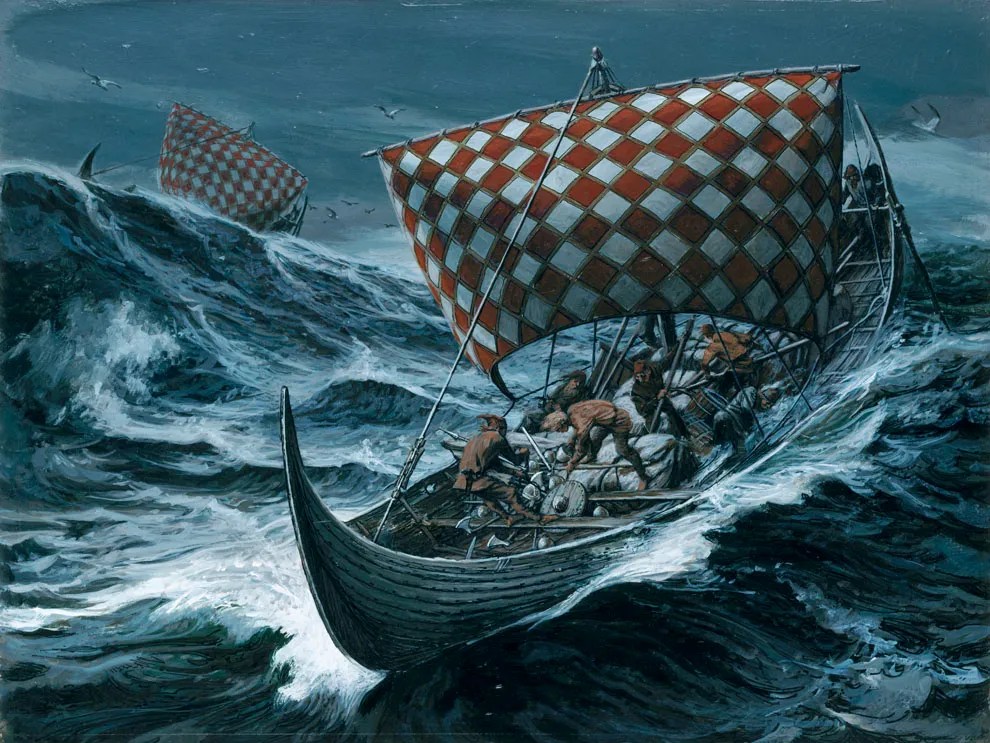
You’ll notice that there’s a continent south of Hjorrfold. The characters know this as “The Southern Continent” and know very little about it: it’s there, it’s warmer than Hjorrfold, and the customs of the people there are very different from theirs. It’s too far for raiders to easily get to, so they ignore it; there are merchants who trade by long caravans or by sea who will travel there and back, but there are few people in Hjorrfold who’ve ever seen their southern neighbor.
The northern border is all mountains. There are tribes living there, but they’re not part of Hjorrfold and have even more limited contact with the people there than even the Southern Continent. The people there are nomadic hunter/gatherers who stay deep in the mountains, traveling across the high peaks.
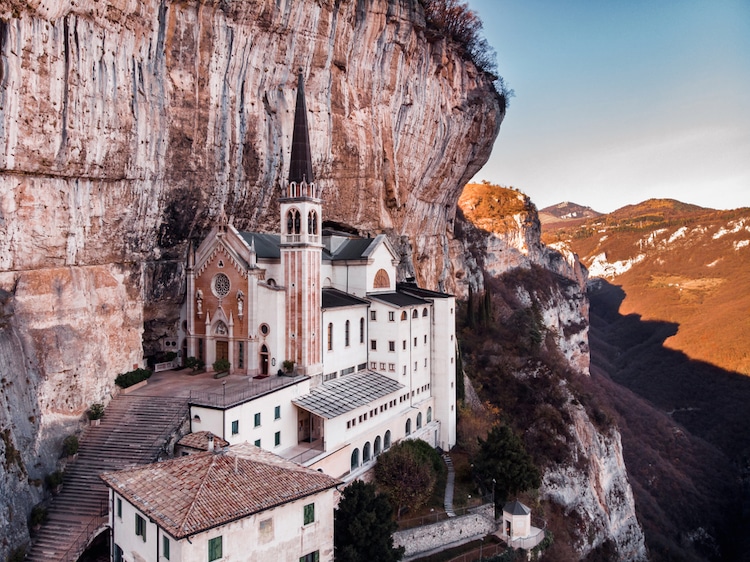
There’s also a mountain sanctuary in that narrow pocket between Hjorrfold and the tribal lands deeper in the mountains that’ll feature in the books.
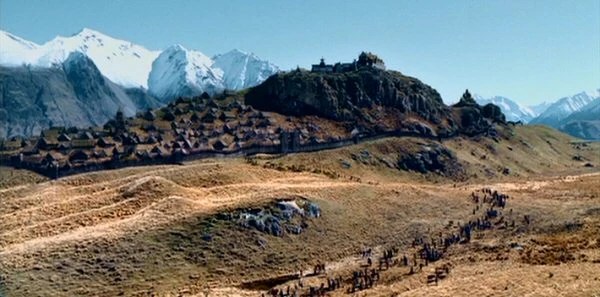
The rest of Hjorrfold consists of plains. It’s generally flat land with rocks and rivers winding through it. I visualized Rohan from Lord of the Rings when describing the area, with those rolling hills and grassland that isn’t that verdant green but sandy, straw-toned. Hjorrfold is scattered with villages and homesteads, typically with no more than 100 people living there. They farm or have cattle and goats, they hunt and they fish, and they’re not the typical raiders that you picture when you think of Vikings. They live in the center of Hjorrfold, away from places they could raid and safe from people who might try to steal from them.

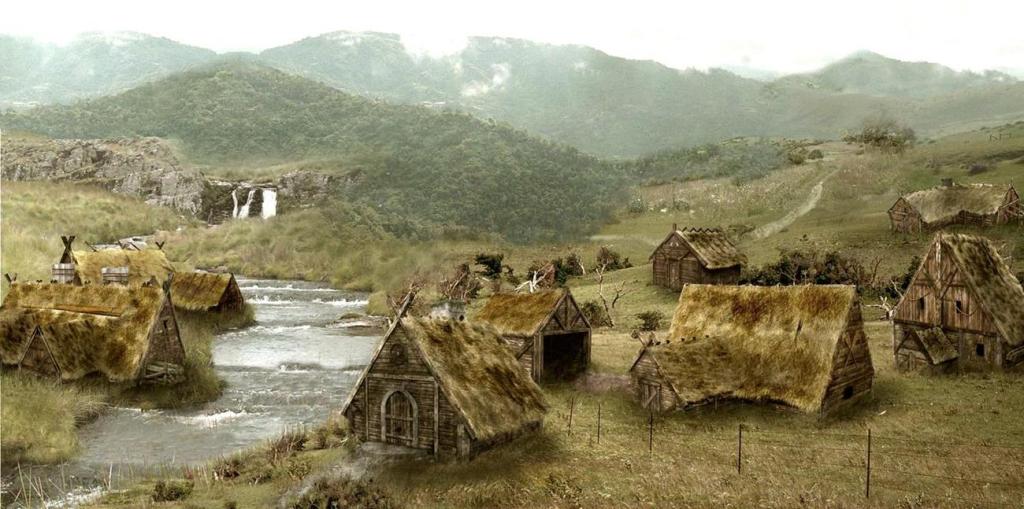
Scattered among these villages are “noble” houses – these families are sworn to the royal family of Hjorrfold, and they’re in charge of the areas around them when it comes to collecting tribute to pass on to the capital, but also with the more common task of settling disputes and offering protection. Each of these noble families has a great hall where they live, based on the great halls of the Vikings. In Hjorrfold, the nobles use these halls to gather their local people to celebrate or when the winter turns treacherous and people need a warm place to stay.
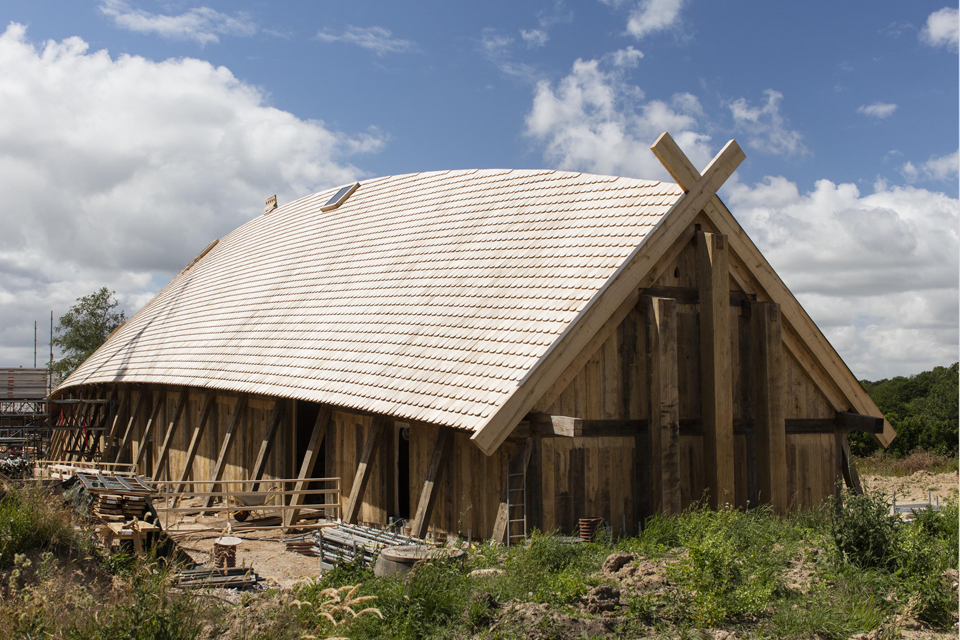
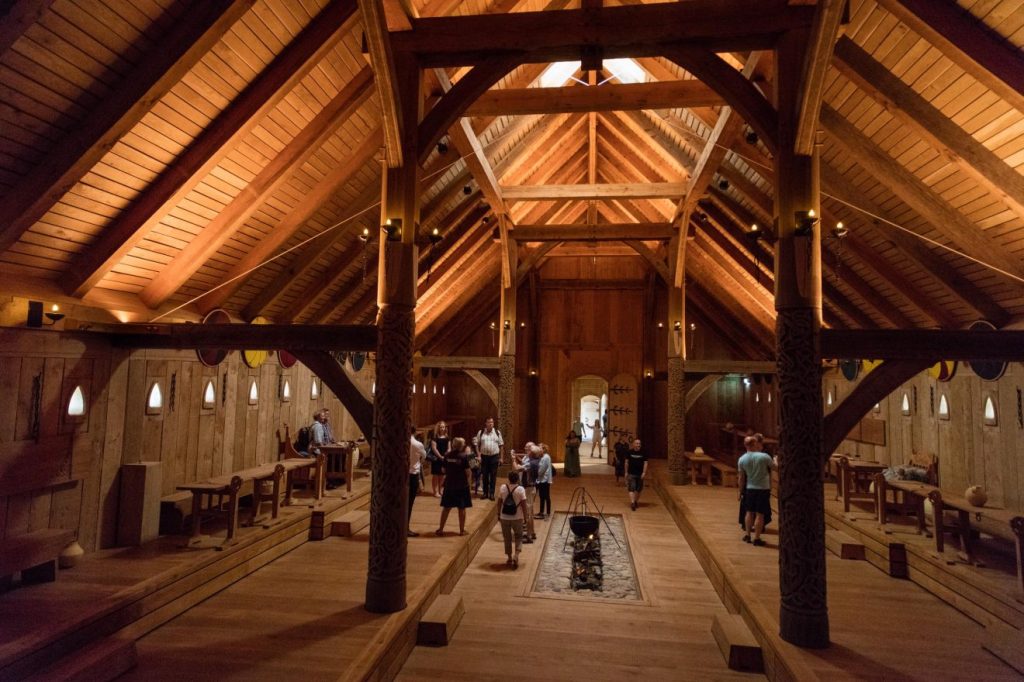
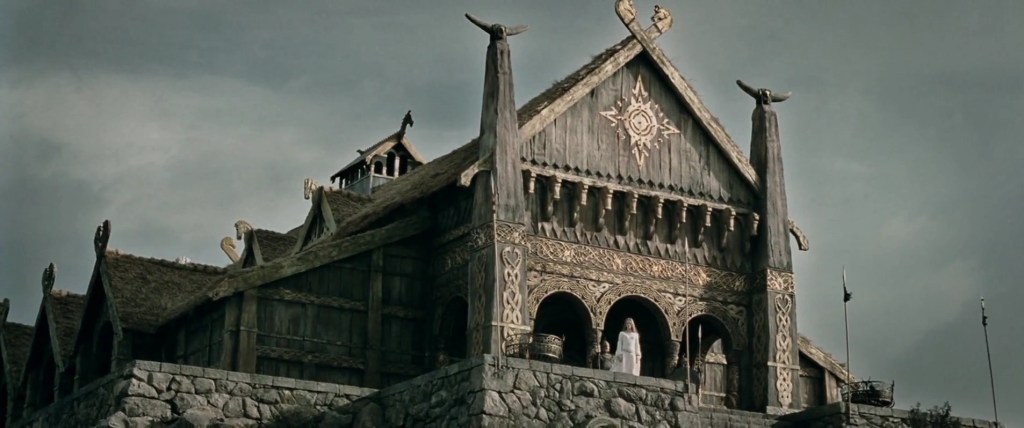
Yfirgardr is the capital of Hjorrfold, a keep on the top of a lonely hill that has views of the land miles and miles around it. It sits near the sea, making it the perfect spot for the raiders who founded it centuries ago. If Hjorrfold is Rohan, then Yfirgardr is like Edoras, though more populated. The keep started as a great hall similar to the other noble families, but it grew over time to a proper castle with stone walls and a gate protecting it.
The weather here is on average cold, and the winters in particular can be harsh. Like Game of Thrones, even though there are four seasons, they’re not necessarily fixed to three months each: they might be longer or shorter, occasionally lasting only a few weeks or several years. This is a land of not only farmers, but witches and seers, and they work together to try and predict if there will be a long harvest or a short one, and especially to know how long the next winter might be. Part of the nobles’ responsibility is to stockpile food should a long winter come and devastate the people under their protection.
Although sometimes the wildlife can grow large and fierce, there are no magical creatures that breathe fire. You might find a dire bear in the woods or particularly large elk in the forests, but no giants or trols or many-footed horses or dragons in this world. There is magic, though: everyone knows some little bits like lighting fires or how to keep pests out of the larder, but there are seers and illusionists, charms and enchantments, and rumors of old, forgotten magic for battles and traveling between worlds.
Even though Hjorrfold is a fantasy world, I’ve tried to balance those more fantastical elements with ones grounded in reality. If you want to see more of Tessa’s world, make sure you visit Instagram and let me know which place you’d most like to visit in my Hjorrfold Travel Guide.
 A.L. Heard
Leave a comment